

Due diligence is a core risk‑management practice that combines background screenings, financial review and legal compliance checks to reveal issues that could affect transactions, partnerships or investments. When performed correctly, it reduces exposure to fraud, regulatory penalties and reputational harm. This guide outlines the key concepts, common methods and how investigations are tailored to client needs.
Key Takeaways
- Due diligence identifies and manages risks tied to business and legal decisions.
- Primary methods include background checks, financial reviews and legal assessments.
- Robust screening verifies credentials and uncovers red flags.
- Tailored scope delivers the right evidence for each decision.
- Careful intelligence gathering, analysis and reporting support risk assessment and fraud detection.
- Regulatory verification prevents legal exposure and preserves operational integrity.
- Law firms, corporations and financial institutions rely on due diligence to manage compliance and reputational risk.
- Confidential handling and litigation‑ready reporting protect clients and preserve evidence.
Essential Insights
Due diligence exists to surface hidden risks before they become crises. It detects fraud, compliance gaps and financial inconsistencies that could derail deals or harm organizations. Common use cases include M&A, real estate transactions and strategic partnerships. Thorough due diligence gives decision‑makers the information they need to evaluate risk and act with confidence.
Effective pre‑relationship due diligence is a foundational control for preserving organizational integrity and reducing the chance of financial or reputational harm.
Methodologies
Investigators choose methods to match client objectives and risk levels. Typical approaches combine background checks, financial audits and legal assessments in a structured workflow that emphasizes verification, corroboration and clear documentation.
| Methodology | Description | Importance |
| Background Checks | In‑depth verification of individuals or entities, including criminal records, employment, education, sanctions and litigation history. | Determines credibility and uncovers potential red flags. |
| Financial Audits | Examination of financial statements, transactions and internal controls to identify discrepancies or indicators of fraud. | Provides transparency into financial health. |
| Legal Assessments | Review of contracts, licenses, regulatory filings and compliance history. | Clarifies legal exposure and obligations. |
Together these methods provide an evidence‑based view that supports informed decision‑making.
Background Checks
Background checks verify history and credentials across criminal, employment, education, credit and public records. Properly documented checks flag inconsistencies and help determine whether an individual or organization poses unacceptable risk for the proposed relationship.
Documented, consistent background screening practices are essential for reducing liability and ensuring reliable hiring and partner‑selection decisions.
Customization
Risk profiles vary by industry and transaction, so investigators adjust search scope, data sources and depth to match objectives. A focused pre‑employment screen differs from a multi‑jurisdictional review for a major transaction; tailoring reduces noise and delivers the specific answers decision‑makers need.
What Constitutes a Due Diligence Investigation and Its Core Components?
A comprehensive review integrates financial analysis, legal compliance checks and risk assessment. Financial analysis shows fiscal health, legal checks reveal obligations and exposures, and risk assessment synthesizes findings into practical recommendations for decision‑makers.
Which Types of Due Diligence Are Critical for Corporate and Legal Clients?
Common reviews include:
- Pre-employment Screening: Confirming a candidate’s background and suitability for sensitive roles.
- Pre-investment Research: Deep analysis before committing capital to surface hidden liabilities.
- Business Partnerships: Evaluating reputation, stability and compliance posture to reduce counterparty risk.
Choosing the appropriate review aligns due diligence with strategic goals and risk tolerance.
How Are Background Checks and Asset Verifications Conducted Professionally?
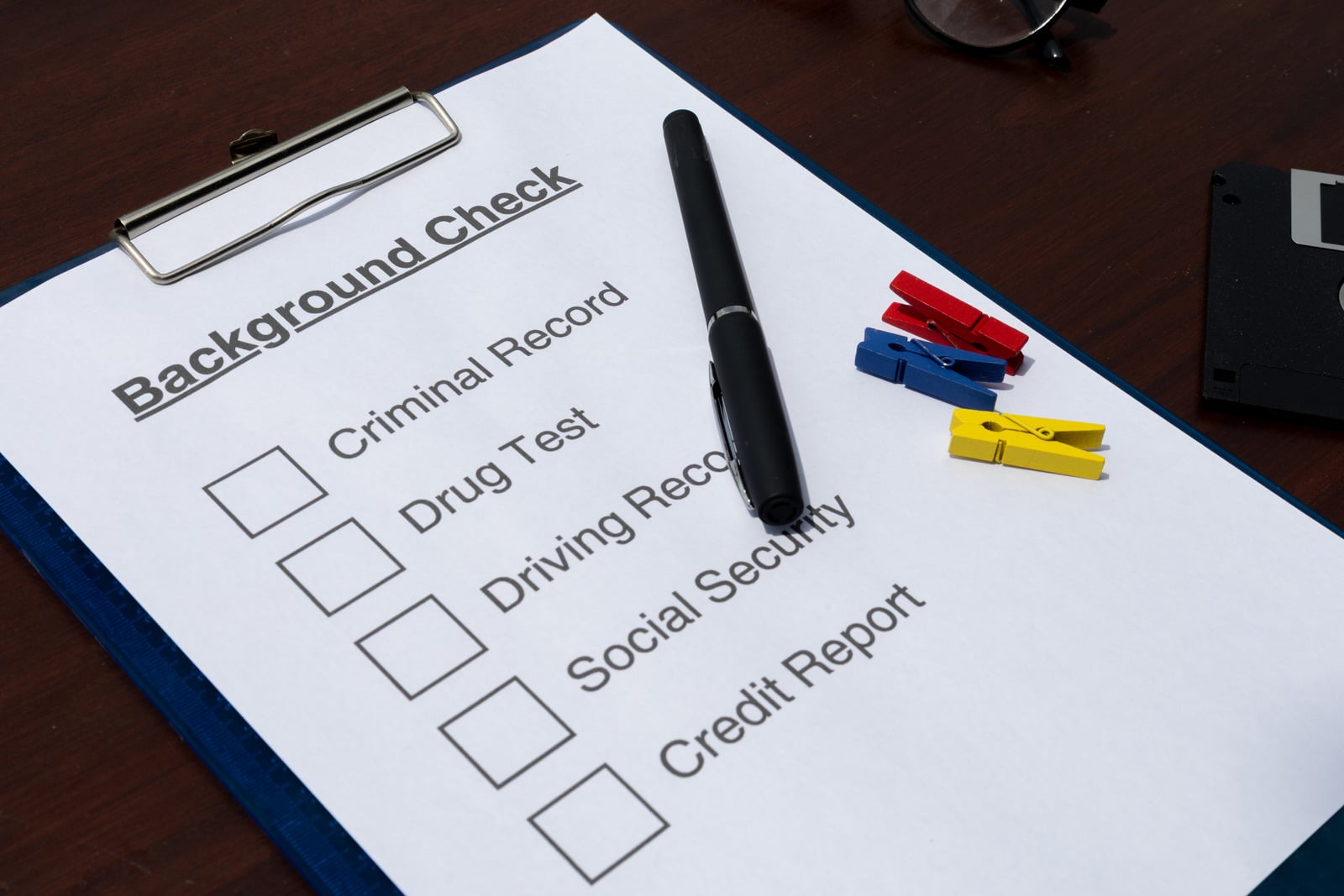
Professional verification follows a documented workflow: define scope, collect data from authoritative sources, corroborate across records, and preserve an audit trail. Investigators use public records, proprietary databases and interviews when appropriate to build a verifiable picture of financial and legal standing.
How Does the Due Diligence Process Mitigate Risks and Ensure Legal Compliance?
Due diligence uncovers contractual liabilities, regulatory violations and suspicious activity early so organizations can address them before they escalate. Documented procedures and compliance‑focused processes help meet legal obligations and reduce exposure to enforcement or litigation.
What Are the Key Steps in Risk Assessment and Fraud Detection?
Typical steps are:
- Gathering Intelligence: Collect relevant records, transactions and public information.
- Data Analysis: Correlate records, spot inconsistencies and use analytical tools to detect anomalies.
- Presentation of Evidence: Produce a concise, sourced report with practical recommendations.
These steps make findings defensible, actionable and suitable for internal decisions or legal use.
A systematic, data‑driven approach is especially important when detecting financial cyber fraud and other sophisticated schemes.
How Is Regulatory Compliance Verified During Investigations?
Regulatory verification pairs legal review with targeted record searches: assess applicable laws and licenses, examine filings and enforcement history, and verify adherence to industry‑specific rules. Findings are documented and stored with controlled access to preserve chain of custody.
Why Is Due Diligence Vital for Law Firms, Corporations, and Financial Institutions?
These organizations face high legal, financial and reputational stakes. Law firms need admissible evidence, corporations must protect shareholder value, and financial institutions need to manage credit and compliance risk. Diligent investigations reduce uncertainty and support defensible decisions.
How Do Investigative Services Support Informed Decision-Making?
Investigative services convert raw data into clear findings and prioritized recommendations. Verified information and organized reporting let leaders act with confidence and reduce downstream surprises.
What Are the Benefits of Tailored Investigations for Different Client Types?
Tailored investigations focus resources where they matter most, delivering faster, more relevant results for:
- Law Firms: Targeted fact‑finding and documented evidence to strengthen legal strategies.
- Corporations: Due diligence for M&A, partnerships or vendor onboarding that reveals commercial and compliance risks.
- Financial Institutions: Customized reviews for lending, investment and onboarding to reduce credit exposure.
Customization increases efficiency and the practical value of investigative output.
What Are the Best Practices for Confidentiality and Reporting in Due Diligence Investigations?
Protecting sensitive information and producing clear reports are essential. Best practices include strict access controls, encrypted storage and standardized templates that present findings, sources and recommended next steps in a format suitable for internal teams or legal counsel.
How Is Client Information Secured Throughout the Investigation?
Client data protections include:
- Controlled Communication: Limit access to case materials and use secure channels for sensitive exchanges.
- Documentation Protocols: Maintain chain of custody and access logs for evidence and reports.
- Data Security Measures: Use encryption, secure backups and vetted storage to safeguard records.
These controls preserve confidentiality and ensure evidence remains admissible when required.
What Reporting Standards Ensure Litigation-Ready Documentation?
Litigation‑ready reports follow consistent standards:
- Structured Reporting: Findings organized with clear headings, timelines and citations.
- Comprehensive Documentation: Include all relevant records, corroborating evidence and interview summaries.
- Adherence to Legal Standards: Procedures and recordkeeping that support admissibility and privilege.
For more information on how BCSI Investigations can assist with your due diligence needs, contact us today.
Frequently Asked Questions
What are the common challenges faced during due diligence investigations?
Common challenges are incomplete or inconsistent records, limited public data access, tight timelines and potential bias in sources. Resistance from subjects can slow work. Experienced teams mitigate these risks through multiple sources, strict documentation and disciplined project management.
How often should due diligence investigations be conducted?
Frequency depends on risk. Conduct due diligence before high‑stakes transactions (for example, M&A) and schedule periodic reviews for ongoing or high‑risk relationships to catch changes in regulatory status, ownership or financial condition.
What role does technology play in modern due diligence investigations?
Technology speeds data collection and analysis: analytics detect anomalies, machine learning prioritizes leads, and secure platforms streamline evidence handling. Technology supports, rather than replaces, analyst judgment and legal oversight.
How can organizations ensure compliance with data protection regulations during investigations?
Ensure lawful bases for processing, obtain required consents, limit collection to necessary data, and use secure systems. Train teams on applicable laws (for example, GDPR or CCPA) and enforce clear retention and deletion policies.
What are the potential consequences of inadequate due diligence?
Poor due diligence can produce financial loss, regulatory penalties, litigation and reputational harm, including unintended relationships with fraudulent or non‑compliant entities. Thorough diligence reduces these risks and supports sustainable decisions.
How can due diligence investigations be tailored for different industries?
Tailoring targets sector‑specific risks and rules: financial services focus on customer‑due‑diligence, healthcare on privacy and licensing, and energy or construction on environmental and safety records. Sector expertise ensures investigations surface the most relevant risk indicators.